Mobile Photography Vs Camera Photography
The Big Question Every Photographer Faces in Today’s Weddings
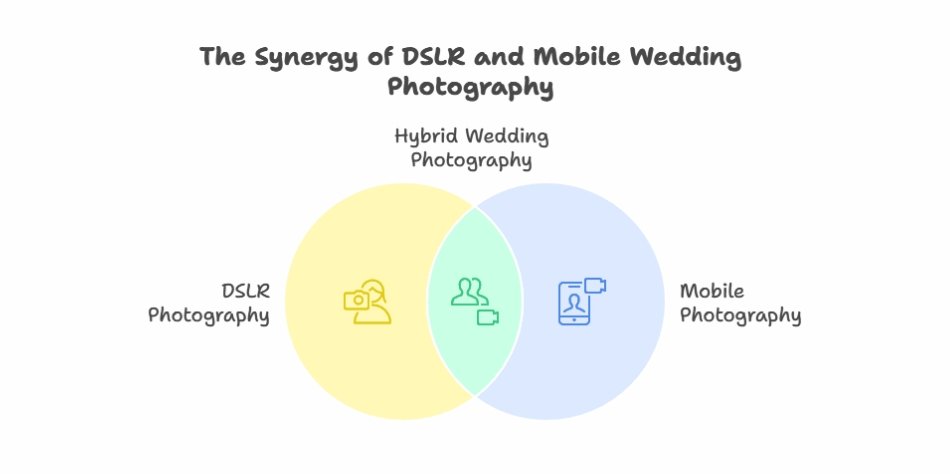
This document explores the evolving landscape of photography in Indian weddings, comparing traditional DSLR photography with the rising popularity of mobile photography. It delves into the trends shaping the industry, analyzes the advantages and disadvantages of each approach, and provides insights into the pricing structures associated with both. Understanding these factors is crucial for couples planning their wedding and photographers adapting to the changing demands of the market.
Trends in Indian Wedding Photography
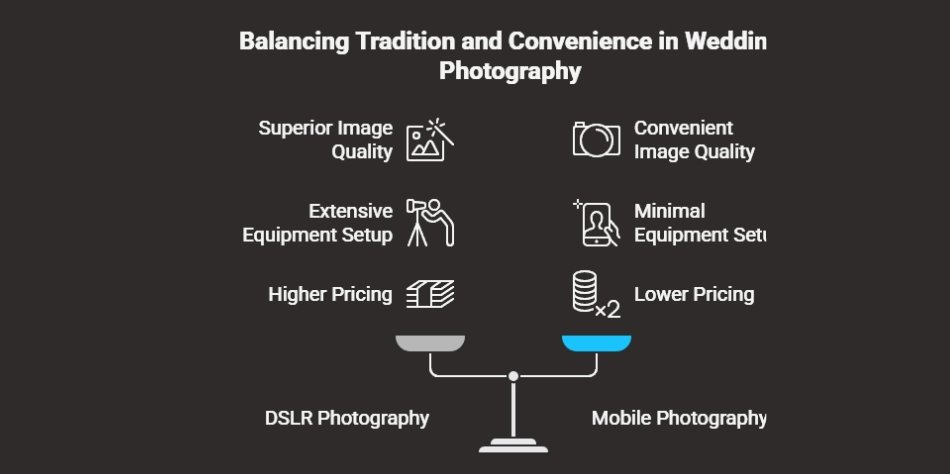
Indian wedding photography has undergone a significant transformation in recent years, influenced by technological advancements and evolving aesthetic preferences. Some key trends include:
- Candid Photography: Moving away from posed, formal shots, candid photography captures spontaneous moments and emotions, offering a more authentic and personal narrative of the wedding.
- Pre-Wedding Shoots: These shoots, often held in scenic locations, allow couples to build rapport with their photographer and create visually stunning images for invitations, save-the-dates, and social media.
- Cinematic Wedding Films: Short, professionally edited films that tell the story of the wedding day, incorporating music, voiceovers, and creative editing techniques. Drone Photography: Aerial shots provide a unique perspective of the wedding venue and the scale of the celebrations.
- Social Media Integration: Couples are increasingly sharing their wedding photos and videos on social media platforms, demanding high-quality images optimized for online viewing.
- Mobile Photography's Rise: The increasing sophistication of smartphone cameras has led to a surge in mobile photography at weddings, both by guests and, in some cases, as a supplementary service offered by professional photographers.
DSLR Photography: Pros & Cons
Pros:
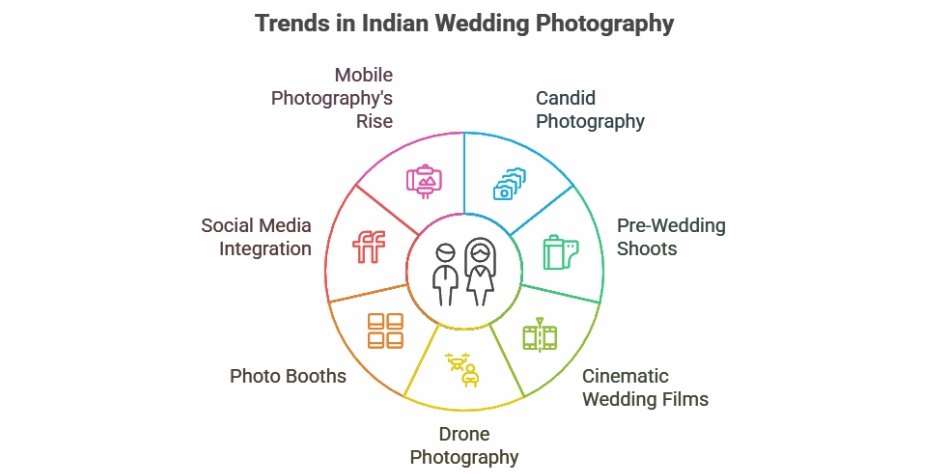
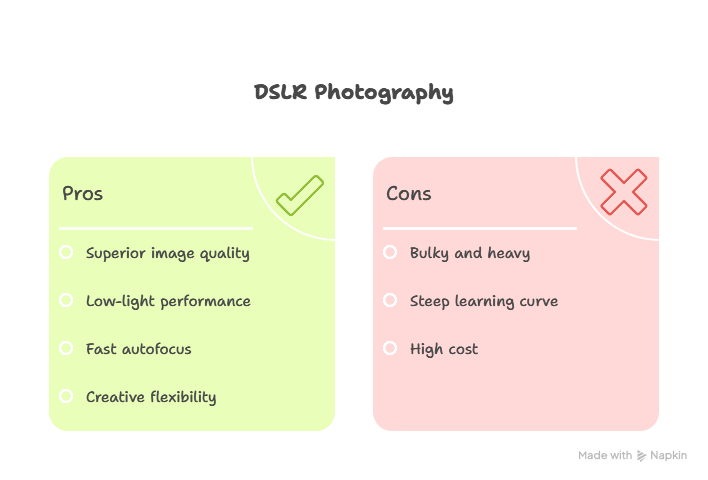
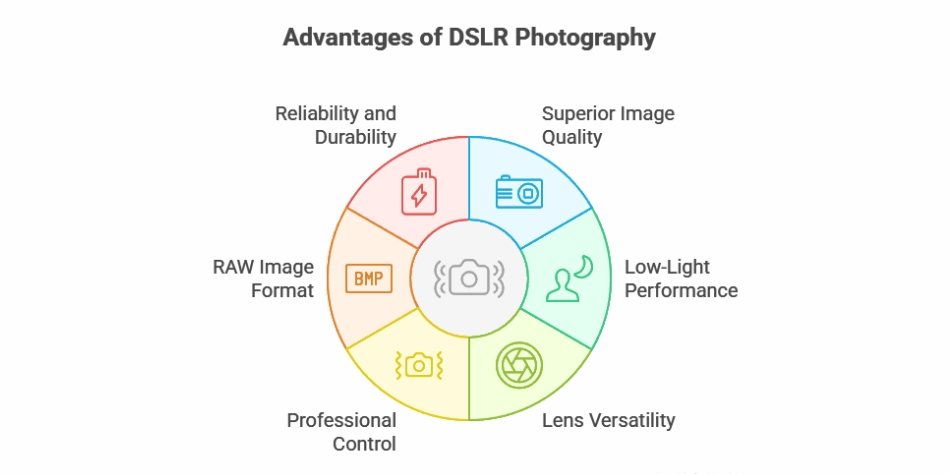
Superior Image Quality: DSLRs offer larger sensors, better lenses, and advanced image processing capabilities, resulting in higher resolution, sharper details, and wider dynamic range. This is crucial for capturing intricate details of wedding attire, decorations, and emotions.
Low-Light Performance: DSLRs excel in low-light conditions, allowing photographers to capture stunning images even in dimly lit venues or during evening ceremonies.
Lens Versatility: A wide range of lenses are available for DSLRs, allowing photographers to adapt to different shooting situations, from wide-angle shots of the venue to telephoto shots of distant subjects.
Professional Control: DSLRs offer manual control over aperture, shutter speed, ISO, and other settings, giving photographers complete creative control over the final image.
RAW Image Format: DSLRs can capture images in RAW format, which preserves all the data captured by the sensor, allowing for extensive post-processing and editing.
Reliability and Durability: DSLRs are built to withstand the rigors of professional use, offering greater reliability and durability compared to smartphones.
Cons:
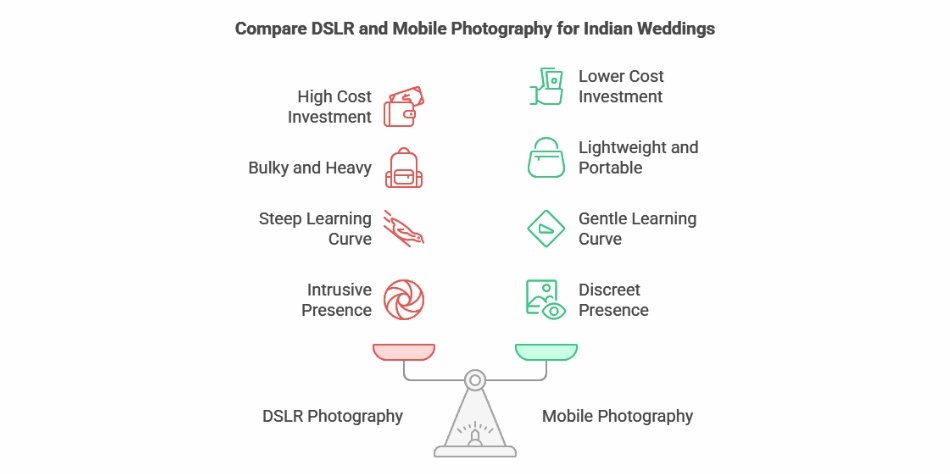
Cost: DSLRs and professional-grade lenses can be expensive, representing a significant investment for photographers.
Bulk and Weight: DSLRs are bulky and heavy, making them less convenient to carry around than smartphones.
Learning Curve: Mastering DSLR photography requires a significant amount of time and effort to learn the technical aspects of camera operation and image processing.
Intrusiveness: The size and presence of a DSLR can sometimes be intrusive, making it difficult to capture candid moments without being noticed.
Mobile Photography: Pros & Cons
Pros:
Convenience and Portability: Smartphones are lightweight and easy to carry around, making them ideal for capturing spontaneous moments.
Ease of Use: Smartphone cameras are designed to be user-friendly, with intuitive interfaces and automatic settings that make it easy to capture decent photos.
Instant Sharing: Smartphones allow for instant sharing of photos and videos on social media platforms.
Cost-Effective: Smartphones are relatively affordable compared to DSLRs, making them accessible to a wider range of users.
Discreetness: The small size of smartphones makes them less intrusive than DSLRs, allowing for more candid and natural shots.
Built-in Editing Tools: Many smartphones come with built-in editing tools that allow for basic image adjustments and enhancements.
Cons:
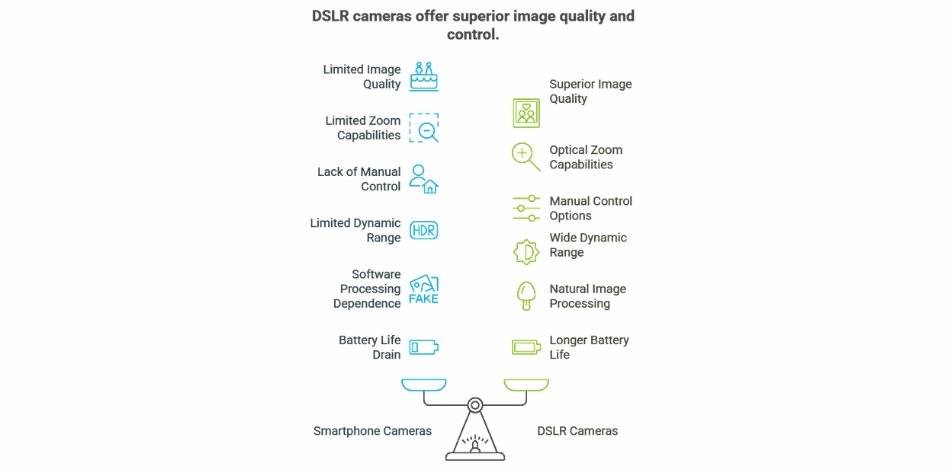
Limited Image Quality: Smartphone cameras have smaller sensors and less sophisticated lenses than DSLRs, resulting in lower image quality, especially in low-light conditions.
Limited Zoom Capabilities: Smartphone cameras typically have limited optical zoom capabilities, resulting in loss of image quality when zooming in.
Lack of Manual Control: Smartphone cameras offer limited manual control over settings like aperture, shutter speed, and ISO.
Limited Dynamic Range: Smartphone cameras struggle to capture detail in both bright and dark areas of a scene, resulting in blown-out highlights or crushed shadows.
Dependence on Software Processing: Smartphone cameras rely heavily on software processing to enhance images, which can sometimes result in artificial-looking results.
Battery Life: Taking a large number of photos and videos can quickly drain a smartphone’s battery.
Pricing
DSLR Photography:
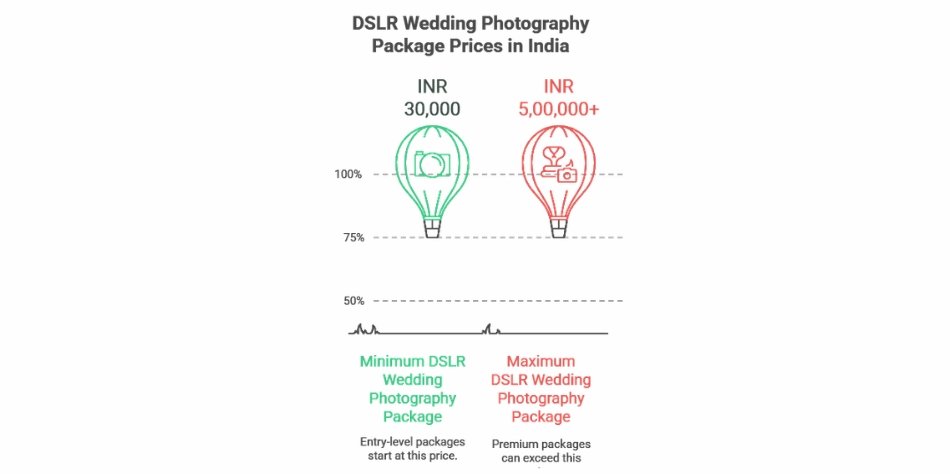
DSLR wedding photography packages in India can range from INR 30,000 to INR 5,00,000 or more, depending on the photographer’s experience, the duration of coverage, the number of photographers, and the inclusions of the package (e.g., albums, prints, cinematic films).
Mobile Photography:
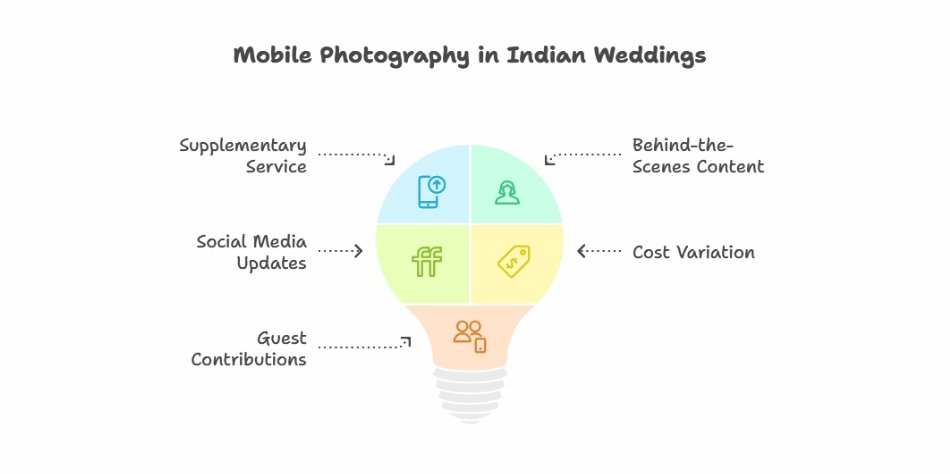
While not typically offered as a standalone service, some photographers are incorporating mobile photography into their packages as a supplementary service, offering behind-the-scenes content or social media updates. The cost of this add-on can vary depending on the photographer. It’s also common for guests to capture mobile photos, which are then shared freely.
Conclusion
While mobile photography has made significant strides, DSLR photography remains the gold standard for capturing the high-quality, timeless images that couples desire for their Indian wedding. The superior image quality, lens versatility, and professional control offered by DSLRs ensure that every precious moment is captured with stunning clarity and detail. However, mobile photography can play a supplementary role, providing behind-the-scenes content and instant social media updates. Ultimately, the choice between DSLR and mobile photography depends on the couple’s budget, aesthetic preferences, and priorities.